
Revitalize Naturally: Benefits of Cold Showers for Wellness
A Morning Ritual That Might Change Your Life!
You wake up groggy, hit snooze twice, drag yourself out of bed and barely make it to the shower. Most people reach for that hot water without thinking because who wants to feel cold first thing in the morning? But what if I told you that swapping your warm morning shower for a blast of cold water could do more than just wake you up? What if this simple switch could improve your mood, boost your energy and even strengthen your immune system?
That’s the promise behind the growing trend of cold showers for wellness, a practice backed by both ancient traditions and modern science. In this article, we’ll explore the real, research-supported benefits of cold showers, answer the most commonly asked questions and give you a step-by-step guide to incorporating this powerful habit into your daily routine.
Also read – How to Create a Simple Morning Workout Routine

What Are Cold Showers?
Cold showers involve exposing your body to cold water, typically below 70°F (21°C) for short durations during your regular shower. While the idea may sound daunting, the concept has roots in practices like Wim Hof breathing, Nordic bathing rituals and Ayurvedic medicine.
The goal isn’t just to endure discomfort, it’s to harness the physiological and psychological responses your body has to cold exposure. Over time, these responses can lead to measurable improvements in physical health, mental resilience and overall well-being.

Benefits of Cold Showers for Wellness
Before diving deeper, here’s a quick-reference table outlining the 5 most impactful wellness benefits of cold showers
| Benefit | How It Works | Trusted Source (Click to Read) |
|---|---|---|
| Boosts Energy & Alertness | Cold shock triggers norepinephrine, elevating alertness and mood | Harvard Health |
| Improves Circulation | Constriction and dilation of blood vessels boosts cardiovascular health | Cleveland Clinic |
| Reduces Stress & Anxiety | Activates parasympathetic system and lowers cortisol | Cleveland Clinic |
| Strengthens Immunity | Stimulates white blood cells and lymphocyte activity | PubMed |
| Speeds Muscle Recovery | Reduces inflammation and lactic acid after workouts | Health.com |
Personal Story: My Cold Shower Journey
When I first tried a cold shower, I hardly lasted about 10-15 seconds before jumping out shivering. But after sticking with it for just two weeks, I noticed subtle but meaningful changes:
- I felt more alert in the mornings.
- My skin looked clearer.
- I had fewer midday energy crashes.
- I was more mentally resilient when things didn’t go as planned.
It wasn’t magic, it was consistency and the cumulative effect of cold exposure on my nervous system and metabolism.

How to Start Taking Cold Showers for Wellness
If you’re ready to try cold showers, here’s a beginner-friendly process to ease into the habit without shocking your system:
Step 1: Prepare Mentally
Before stepping into the shower, take a few deep breaths. Remind yourself why you’re doing this, whether it’s for better focus, energy or immunity.
Step 2: Warm Up First (For Beginner only)
Some people prefer ending their regular warm shower with 30–60 seconds of cold water. This helps build tolerance gradually.
Step 3: Start Slow
Begin with just 10–15 seconds of cold water. Focus on slow, controlled breathing. Gradually increase the time each day.
Step 4: Adjust the Temperature
Start with lukewarm water and slowly turn down the temperature over several days until you reach full cold.
Step 5: Move Your Body
Shaking your arms, doing light squats or jumping in place can help generate internal heat and reduce the shock of the cold.
Step 6: Reward Yourself
After your shower, reward yourself with something enjoyable like a warm cup of tea, a favorite playlist or a few minutes of stretching. This builds positive associations.
Step 7: Be Consistent
Like any wellness habit, consistency is key. Try to do it at the same time every day for at least two weeks to notice real changes.

Common Mistakes to Avoid When Starting Cold Showers
Even the best wellness habits can backfire if done incorrectly. Here are some pitfalls to watch out for:
| Mistake | Why It’s Harmful | How to Fix It |
|---|---|---|
| Jumping straight into freezing water | Can cause shock, rapid heartbeat or hyperventilation | Ease into it gradually |
| Holding your breath | Increases stress response | Practice deep belly breathing |
| Doing it when sick or overly stressed | May weaken the immune system further | Wait until you’re fully recovered |
| Forcing yourself too soon | Leads to burnout and negative associations | Listen to your body & progress slowly |
| Not warming up afterward | Risk of prolonged chills or discomfort | Dry off quickly, wear warm clothes |
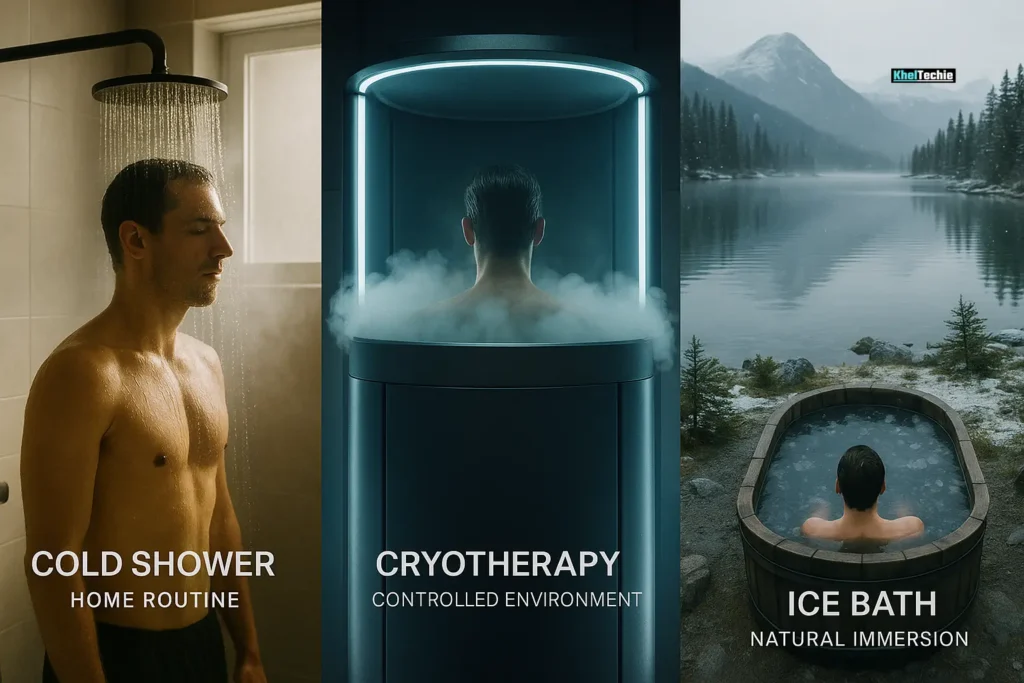
How Cold Showers Compare to Other Wellness Practices
| Practice | Pros | Cons | Best For |
|---|---|---|---|
| Cold Showers | Quick, accessible, free | Initial discomfort | Daily energy boost |
| Cryotherapy | Intense cold exposure | Expensive, limited access | Professional athletes |
| Ice Baths | Full-body immersion | Time-consuming, uncomfortable | Post-workout recovery |
| Contrast Showers | Alternates hot/cold | Requires more effort | Circulation improvement |
Also read – Top 10 Micro-Habits for Daily Wellness Success

Conclusion: Ready to Embrace the Cold?
Cold showers aren’t just a test of willpower, they’re a gateway to better health, sharper focus and greater resilience. Whether you’re looking to boost your mood, recover faster from workouts or simply feel more alive, the benefits of cold showers for wellness are hard to ignore. So, next time you step into the shower, consider turning the dial just a little cooler. It might be the small change that sparks a big transformation.
Have you tried cold showers? Share your experience in the comments! Don’t forget to share this article with someone who needs a wellness boost.
This article is for informational purposes only and does not constitute medical advice. Always consult your doctor or a licensed healthcare provider before starting cold showers, especially if you have heart conditions, high blood pressure or other health concerns. Results may vary based on individual health and body response.
FAQs
Are Cold Showers Good for Skin and Hair?
Absolutely, Hot water strips natural oils from your skin and hair, leading to dryness and irritation. Cold water seals pores, improves circulation and gives your skin a healthier glow. It also makes hair shinier by flattening the cuticle.
Do cold showers aid in weight loss?
They boost metabolism via BAT activation but won’t replace a healthy diet and exercise
Can Cold Showers Improve Mental Health?
Many people report feeling more energized and focused after cold showers. Research shows that cold exposure increases beta-endorphins and norepinephrine, both of which play a role in mood regulation. Some studies suggest it may help alleviate symptoms of mild depression.
Is It Safe to Take Cold Showers Every Day?
For most healthy individuals, yes. However, people with heart conditions should consult a doctor before starting, as sudden cold exposure can constrict blood vessels and raise blood pressure temporarily.
How Long Should You Stay in a Cold Shower?
Start with 10–30 seconds and gradually work your way up to 2–5 minutes. Even short durations offer benefits. Don’t push through pain or extreme discomfort.
Can Cold Showers Help with Muscle Recovery?
Yes, Cold water immersion (CWI) is widely used in sports recovery. It reduces inflammation, soreness, and swelling after intense workouts. Many athletes use cold showers post-training for faster recovery.
Do Cold Showers Help with Energy Levels?
Yes, Cold showers trigger a surge in oxygen intake, heart rate, and alertness. Many people find them more effective than coffee for waking up and staying focused.
Best time for a cold shower?
In the morning for a mental boost or evening but not if you’re planning restful sleep.
Side effects of cold shower to watch?
Shock response, elevated blood pressure, chills. Dizziness is a red flag, warm up if it happens.