

Daily Habits for Gut Health 2025: Breakthrough Facts & Life-Changing Tips
That Nagging Tummy Trouble? It’s Time for a 2025 Reset
Have you ever woken up feeling bloated, gassy or just off, even after eating healthy? You’re not alone. Gut issues are skyrocketing and the truth is, our daily routines might be sabotaging our digestive system more than we realize. That’s why daily habits for gut health 2025 isn’t just a trendy search term, it’s your roadmap to better digestion, clearer skin, boosted mood and even a sharper mind.
In this article, we’ll dive deep into simple, science-backed habits that can help your gut thrive this year and beyond.
Also read – Gut-Healing Smoothie Recipes For Bloating & Digestion

What Are Daily Habits for Gut Health 2025?
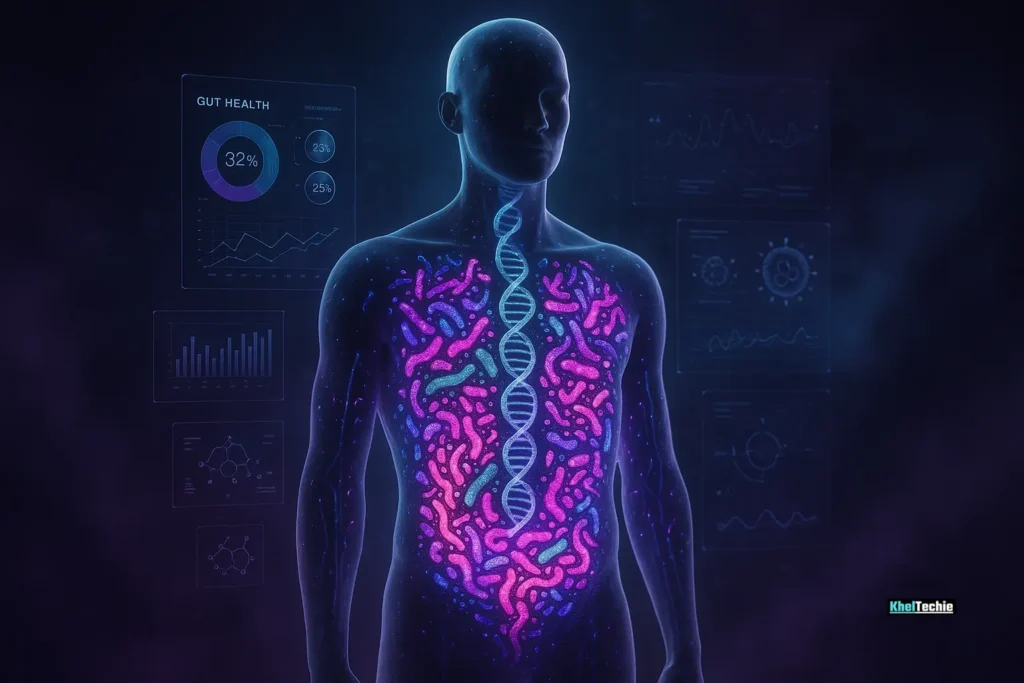
Imagine your gut as the command center of your body, orchestrating everything from energy production to mood regulation. Just like a well-run office ensures smooth operations, a balanced gut microbiome supports digestion, immunity and even mental clarity. But what exactly are “daily habits for gut health 2025“? These are simple yet powerful routines designed to nurture the trillions of microorganisms residing in your gastrointestinal tract. From eating fiber-rich foods to staying hydrated and managing stress, these habits work together to create an environment where beneficial bacteria thrive.
Think of your gut like a bustling city. Billions of “good guy” bacteria live there, working 24/7 to:
- Digest food properly
- Regulate immunity
- Support your brain and mood
Why Daily Habits for Gut Health 2025 Matter More Than Ever
Here’s the deal in 2025, gut health isn’t just about avoiding bloating, it’s becoming a key to your overall resilience, from fighting disease to detoxing your body. That’s not hype, it’s backed by real science.
First, meet PillTrek, a mini capsule developed by Caltech researchers that travels through your digestive tract, gathering live data on pH, metabolites and even mood-related neurotransmitters like serotonin. Imagine finally seeing exactly how your gut responds to what you eat or how you feel. That kind of real-time tracking could revolutionize not only personalized nutrition but how we detect gut-related disorders early, everything from colon cancer to Parkinson’s.
Then there’s another jaw-dropping discovery, scientists at Cambridge found that certain gut bacteria can absorb and eliminate up to 74% of PFAS chemicals – those toxic, hard-to-bust-down “forever chemicals” we unknowingly consume. In lab mice, this reduced PFAS buildup significantly, sparking excitement about next-gen probiotics that could naturally detoxify humans. Considering how widespread PFAS have become, from water to packaging this could change everything.
So why do daily habits for gut health in 2025 matter so much? Because your gut is a living, responsive system influencing immunity, toxin clearance and even brain chemistry. Eating fiber, fermented foods and clean whole foods now looks less like a fad and more like smart self-care based on cutting-edge breakthroughs. In short your gut is calling and these 2025 discoveries say you better start listening.

The Ultimate Step-by-Step Daily Habits for Gut Health 2025
Ready to take action? Here’s your roadmap.
1. Start Your Day with Fiber Power
Think oats, chia pudding or fresh berries. Fiber feeds good bacteria, helping them produce short-chain fatty acids, little compounds that keep inflammation low and your gut lining healthy.
✅ Try this:
- Overnight oats with chia seeds, berries and a drizzle of honey
2. Hydrate, But Ditch the Sugary Stuff
Water helps your gut move things along. Sugary drinks, on the other hand, fuel the bad bacteria.
✅ Try this:
- Warm water with lemon in the morning
- Herbal teas like ginger or peppermint
3. Eat a Rainbow of Plants Daily
Different colors = different nutrients and fibers for your gut microbes.
✅ Aim for:
- At least 30 different plants per week
4. Get Enough Sleep
Your gut microbiome follows a circadian rhythm. Disrupted sleep can throw it into chaos.
✅ Tip:
- Aim for 7–9 hours nightly
- Wind down with light stretching, not screens
5. Move Your Body
Exercise increases good gut bacteria diversity.
✅ Try this:
- Walk 30 minutes or 5 km daily
- Add Gentle yoga in the morning routine
6. Include Fermented Foods
Fermented goodies pack live probiotics, which boost gut diversity.
✅ Great choices:
- Yogurt (low sugar)
- Sauerkraut
- Kimchi
- Kefir
- Miso soup
7. Manage Stress
Stress releases cortisol, harming gut balance. I used to skip this step until I realized my bloating was tied to work stress!
✅ Try:
- Deep breathing
- Meditation apps like Calm
- Journaling
- Digital detox once in a week
8. Avoid Unnecessary Antibiotics
Antibiotics wipe out good bacteria, not just the bad guys.
✅ Tip:
- Take antibiotics only when necessary
- Eat probiotic-rich foods afterward
- Include plant-based diet in your meals
9. Go Easy on Artificial Sweeteners
Studies link some artificial sweeteners to gut microbiome changes that may spike blood sugar. Read the labels smartly while doing grocery shopping
✅ Better choices:
- Stevia (in moderation)
- Honey
- Maple syrup
10. Listen to Your Body
The most underrated habit = Tune in. If a certain food leaves you bloated, consider eliminating it for a few weeks and note changes.

Common Mistakes to Avoid for Gut Health
Even well-meaning folks often sabotage their gut without realizing it. Let’s bust some myths:
1. Overdoing Fiber Overnight
Jumping from low fiber to high fiber can cause bloating and cramps.
✅ Fix:
- Increase fiber gradually
- Drink extra water
2. Cutting All Carbs
Low-carb trends can starve your gut bacteria of fuel.
✅ Fix:
- Keep whole grains and fruits in your diet
3. Thinking Probiotics Alone Are Magic
Probiotic supplements help some folks but without prebiotic fibers, they often can’t survive.
✅ Fix:
- Eat plenty of fiber alongside probiotics
4. Ignoring Stress
No supplement can replace stress management.
✅ Fix:
- Schedule daily relaxation time

Falling for Quick Fixes and Unverified Trends
Myths surrounding quick fixes, such as detox teas and restrictive diets, also pose significant challenges. Detox products often lack scientific validation and may cause more harm than good by promoting unhealthy fasting behaviors or containing laxative ingredients that irritate the digestive tract. Moreover, fad diets like keto, while potentially beneficial for certain metabolic goals, require careful implementation to avoid nutrient deficiencies and imbalances in gut flora. Such approaches underscore the importance of long-term, evidence-based strategies rather than transient solutions.
To navigate these pitfalls effectively, individuals should adopt a multifaceted approach centered on balanced nutrition and mindful eating practices. Consuming a diverse array of plant-based foods ensures adequate fiber intake, fostering the growth of beneficial bacteria and supporting digestive health. Incorporating fermented foods provides natural sources of probiotics, complementing dietary efforts to maintain microbial diversity. Regular exercise, even in low-impact forms, enhances gut motility and reduces inflammation, reinforcing the symbiotic relationship between physical activity and gut physiology. Finally, consulting healthcare professionals before embarking on drastic changes ensures personalized guidance aligned with individual needs and medical histories.
Also read – Anti-Inflammatory Diet Meal Plans

Conclusion: Time to Transform Your Gut Health
As we’ve explored throughout this article, cultivating daily habits for gut health in 2025 is not just about following trends, it’s about making informed, sustainable choices that support your body’s command center. From prioritizing fiber-rich foods and fermented products to staying hydrated, exercising regularly and managing stress, every small step contributes to a healthier, more resilient gut microbiome. These habits don’t require drastic changes; instead, they empower you to take control of your well-being through consistency and intentionality.
So, here’s your challenge:
✅ Pick one new habit from this article. Try it for a week & Then add another. Drop your gut health questions in the comments below or share this article with someone who needs it!
This article is for informational purposes only and does not constitute medical advice. Always consult your doctor or a qualified health professional before making changes to your diet, lifestyle, or health routine.
FAQs About Daily Habits for Gut Health 2025
What foods should I eat daily for gut health?
Aim for:
Fruits and veggies (rainbow colors!)
Whole grains
Fermented foods
Nuts, seeds, legumes
Are probiotics necessary every day?
Not always, Some people thrive without supplements if they eat fermented foods. If you’re considering probiotics, discuss it with your doctor.
Can gut health improve mental health?
Absolutely, Your gut makes neurotransmitters like serotonin. A healthier gut can help reduce anxiety and depression.
How quickly can I heal my gut?
It depends, Some folks feel better in weeks, but full gut restoration might take months. Listen to your body.
Do antibiotics ruin gut health forever?
Not permanently, While antibiotics disrupt gut bacteria, diversity often rebounds especially if you focus on gut-friendly habits.
Can kids follow these habits too?
Definitely! A varied diet and daily movement are great for all ages. Check with a pediatrician for personalized advice.
Are all fermented foods good for gut health?
Mostly, yes. Watch out for high-sugar versions (like some flavored yogurts).
Should I avoid gluten for gut health?
Only if you’re sensitive to it. For most people, whole grains (including wheat) support good gut bacteria.
Is bone broth good for gut health?
Bone broth contains amino acids like glutamine, which may support gut lining. However, research is still evolving.
Is fasting good or bad for gut health?
Intermittent fasting may help some people reduce inflammation, but it’s not a one-size-fits-all. Check with a healthcare professional.